Post-PT, Veterans, Seniors Training | Loveland Ohio
Structured coaching for veterans, seniors, individuals recovering from injury, and anyone
who needs continued support after medical care ends.
Adaptive & Disability Clients
Adaptive strength and movement training for wheelchair users, limb loss, neurological conditions, and long-term mobility changes.
- Transfer strength
- Positioning & setup
- Caregiver coordination
Veterans
Veteran-aware coaching that respects service history, injury complexity, and the realities of returning to civilian life.
- Chronic pain support
- PT + VA coordination
- Structured progression
Seniors
Strength, balance, and fall-prevention work that respects age, history, and real-world goals like stairs, groceries, and grandkids.
- Balance & gait
- Fall risk reduction
- Daily-task strength
Post-PT Clients
For people who have been cleared from therapy but still feel unsteady, deconditioned, or unsure what to do next.
- Post-surgical rebuild
- Return-to-life strength
- Coordination with providers
The Physical Cost of Service
Strength Training for Veterans
Military service creates cumulative damage. Compressed spines from rucking. Damaged knees from jumping and carrying loads. Shoulder injuries from repetitive overhead work. Chronic stiffness from years of pushing through pain. After discharge, the structure disappears. No PT schedule. No accountability. The body that was trained to endure starts to deteriorate.
Sarcopenia and Veterans.
Adults lose 3 to 8 percent of muscle mass per decade after age 30. For veterans with service-connected injuries limiting activity, this loss accelerates. Sarcopenia leads to weakness, poor balance, joint instability, increased fall risk, and loss of independence. Strength training is the primary
evidence-based intervention to slow, stop, and reverse it.
Exercise and Veteran Mental Health
Supervised exercise reduces symptoms of PTSD, depression, and
anxiety. Physical activity improves sleep, cognitive function, and quality of life. The VA Whole Health model includes physical activity as a core component of wellness. Training provides the structure, purpose, and accountability many veterans lose after service.
What you get:
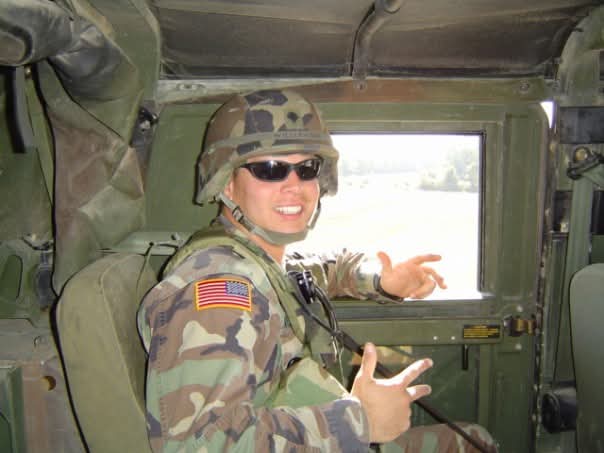
Strength programming built around service-related injuries
Mobility work for chronically stiff joints and restricted movement
Progressive training starting where your body actually is
Structure and accountability that mirrors military consistency
Adaptive programming for complex injury profiles
Physical activity supporting mental health and PTSD management
How We Help:
Physical therapy helps you recover. Resilient Movement helps you stay strong.
Programming is designed around your injuries, your limitations, and your goals by a coach who served and understands.
Benefits-covered training. For veterans with VA benefits, many train at no additional out-of-pocket cost
through VA Community Care or other covered programs. Contact us to discuss your benefits.
Exercise Protects Your Brain
Resistance training improves cognitive function in older adults and reduces risk of dementia. Exercise reduces depression and anxiety. The social engagement, sense of accomplishment, and physical confidence from structured training improve overall quality of life.
What you get:
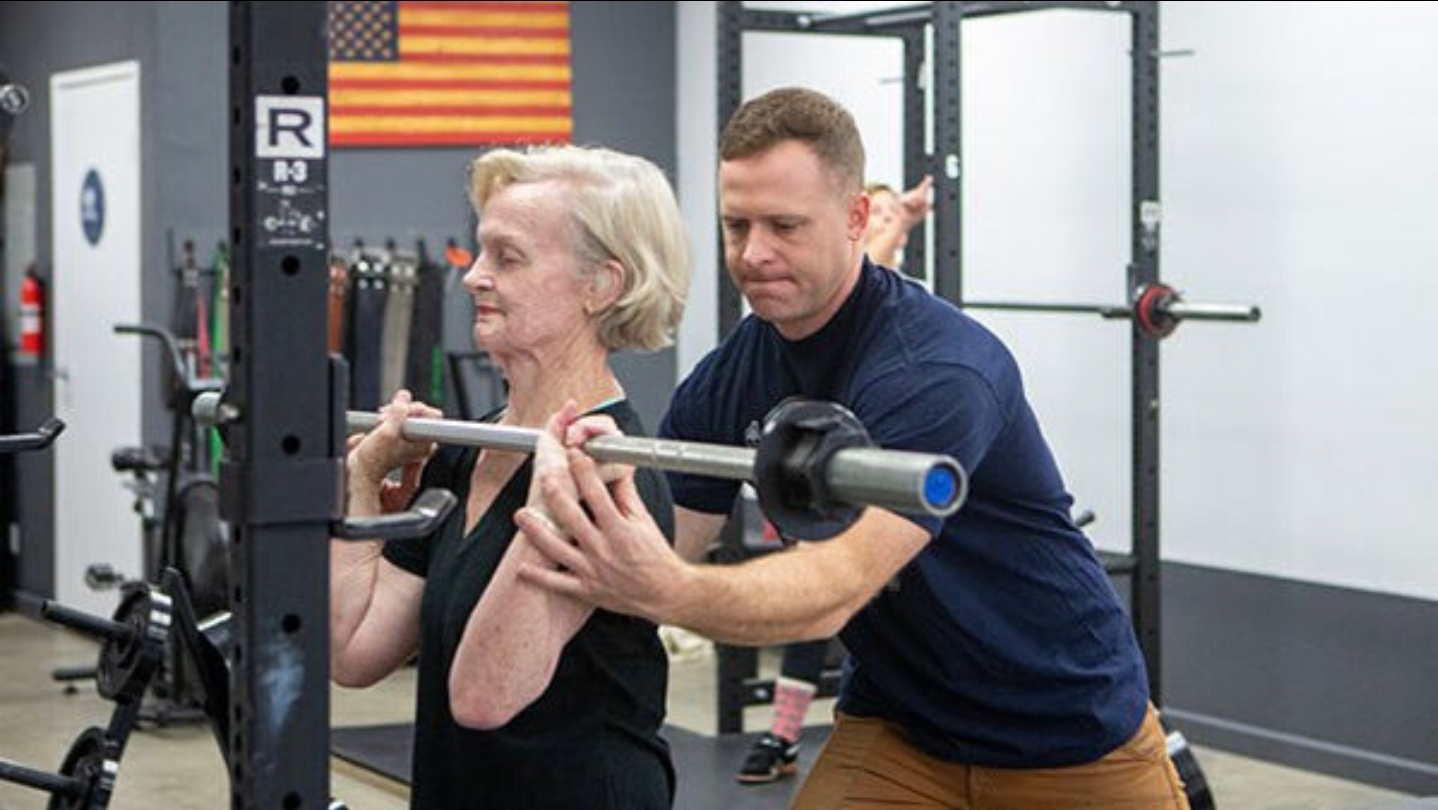
Progressive strength training for older adults
Balance and coordination work to reduce fall risk
Mobility training for stiffness and range of motion
Functional movement practice for daily activities
Programming adjusted for arthritis, joint replacements, osteoporosis, and medications
What Sarcopenia Means.
Strength and Balance Training for Seniors
After age 30, your body loses muscle mass every decade. By 65, this accelerates. Muscles shrink. Strength declines. Balance deteriorates. Tasks that were automatic become difficult or dangerous. This is not inevitable aging. It is the result of inactivity. And it is reversible.
Why Falls Happen.
One in four adults over 65 falls each year. Falls are the leading cause of injury-related death in older Americans. Most falls are caused by muscle weakness, poor balance, and reduced mobility. All three respond directly to progressive training.
How We Help:
Progressive strength and balance programming designed for aging bodies. Leg strength
for walking and stairs. Core stability for balance. Coordination for reaction time. Functional movement for
daily life. Mobility for stiffness.
Benefits-covered training. For seniors with Medicare or Medicaid, contact us to discuss coverage options.
The Problem
After Physical Therapy
Physical therapy has an end date. Insurance approves limited visits. The therapist discharges the patient. Without continued structure, strength fades within weeks. Balance declines. Pain
patterns return.
The Bridge
Physical therapy helps people recover. Resilient Movement helps them stay strong. Structured coaching that maintains what PT built and keeps building forward. This is not physical therapy. It is the long-term plan that prevents needing more physical therapy.
Who this helps
Joint replacement recovery (hip, knee, shoulder)
Balance and fall prevention after a fall or hospitalization
Chronic pain management through structured movement
Mobility restoration after injury or surgery
Strength rebuilding after extended illness or inactivity
Veterans transitioning from VA rehabilitation
What training does after rehab
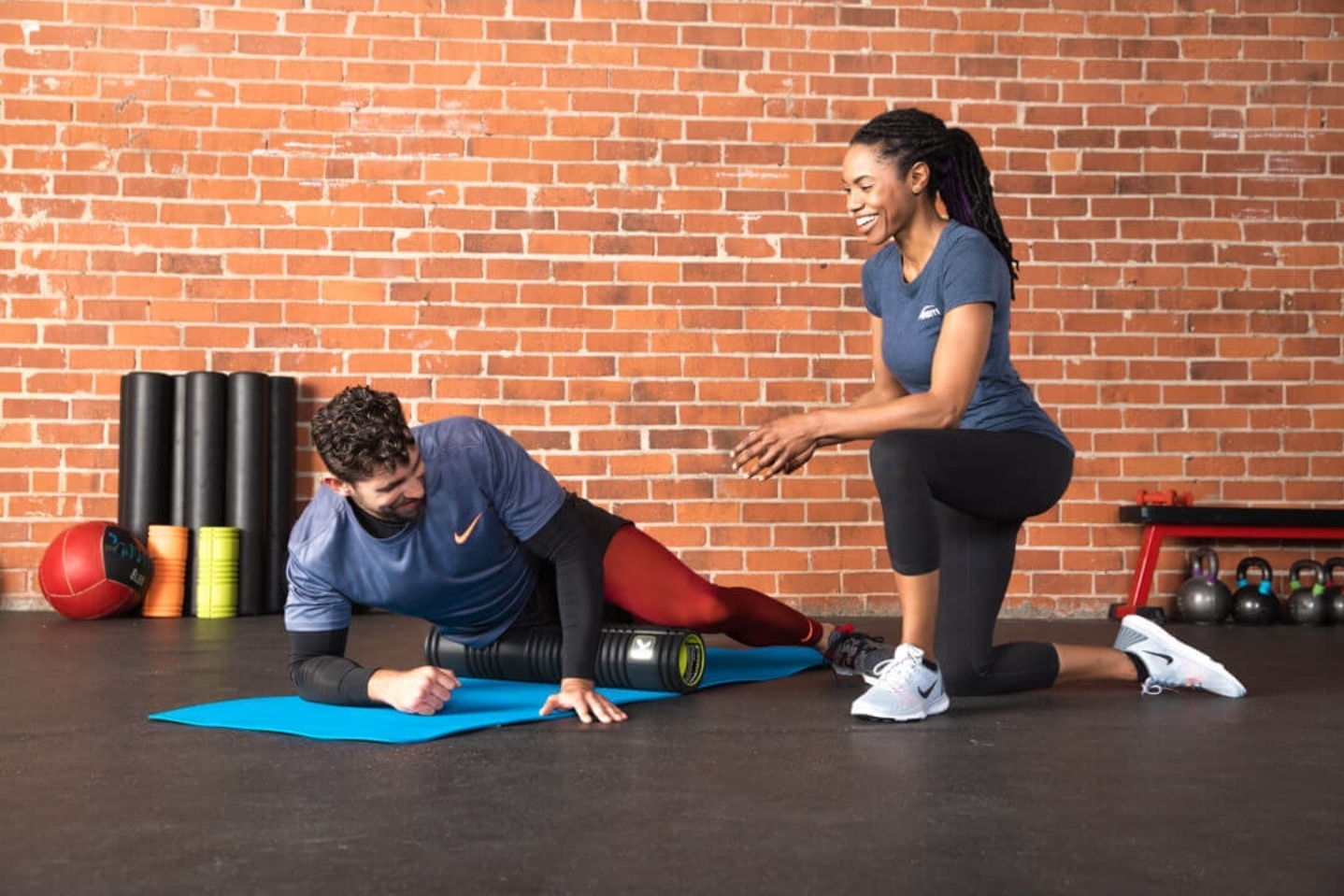
Maintains strength gains from physical therapy
Continues improving balance and stability
Reduces risk of re-injury and falls
Builds mobility and functional movement
Creates the independence that rehabilitation started
Healthcare collaboration Guarantee:
We coordinate with your PT or physician to align training with clinical goals.
Conditions we work with
Stroke recovery
Parkinson's disease
Multiple sclerosis
Traumatic brain injury
Neuropathy
Other neurological conditions affecting movement

What training provides
What you get:
Improved balance and coordination
Maintained or restored strength
Better mobility and range of motion
Reduced fall risk
Improved confidence in daily movement
Structured physical activity supporting cognitive health
STROKE AND NEUROLOGICAL CONDITIONS
Training for Stroke Recovery, Parkinson's, and Neurological Conditions
Individuals recovering from stroke, living with Parkinson's disease, multiple sclerosis, or other neurological conditions face unique challenges with movement, coordination, balance, and strength. Standard fitness programs are not designed for these needs.
compassionate patient coaching
If you’re navigating stroke recovery, Parkinson’s, or another neurological condition, you don’t have to figure it out alone. We provide structured, guided training focused on helping you move more confidently and maintain your independence over time.
Disclaimer: Programs are designed to complement physical therapy and medical care, not replace licensed medical treatment.
Support Resilient Movement
Your donation helps support community wellness initiatives, educational resources, and opportunities for veterans, seniors, and individuals rebuilding strength after injury or physical therapy.
Every contribution helps us continue promoting healthier, stronger, and more active lives throughout our community.
Thank you for supporting the mission of Resilient Movement.
Frequently asked questions
Q: Is this physical therapy?
No. Resilient Movement provides strength and mobility training, not physical therapy or licensed medical treatment. Programs are designed to complement PT and support long-term functional independence after clinical care ends.
Do I need a referral from a doctor?
No referral is required. Anyone can schedule a consultation directly. However, we welcome and encourage referrals from physical therapists, physicians, VA providers, and case managers.
Q: Is this safe for seniors?
Yes. Programs are individualized for each client's conditions, abilities, and medical history. Training is progressive, supervised, and adjusted for arthritis, joint replacements, osteoporosis, balance concerns, and other conditions.
Do you work with Parkinson's or stroke recovery?
Yes. Adaptive training programs are designed for individuals with neurological conditions including Parkinson's disease, stroke recovery, multiple sclerosis, traumatic brain injury, and other conditions affecting movement.
Do you work with veterans?
Yes. Jeff is a U.S. Army veteran. Programs are specifically designed for veterans managing service-related injuries, chronic pain, PTSD, and post-military deconditioning.
Quick Self-Check: Is Resilient Movement a Fit?
Select any statements that sound like you. Your responses are not saved or shared—they simply help you reflect on your needs.
Subscribe to our Mailing List
Join the Resilient Movement To prolong optimal health And Gain lasting performance insights.
Subscribe to our Mailing List
Join the Resilient Movement To prolong optimal health And Gain lasting performance insights.
Resilient Movement Company
Adaptive exercise and mobility training for seniors, veterans, adaptive / corrective needs clients, and post-rehab populations in the Greater Cincinnati area.
Cincinnati · Loveland · Milford · Maineville · Mason · Montgomery · Blue Ash · Symmes Township · Deerfield
Township · Indian Hill · Madeira · Greater Cincinnati
Services
Who We Serve
Veterans & Paraplegics
Seniors & Older Adults
Post-Surgical & Post-PT
Adaptive Needs & Disabled
Stroke & Parkinson's Clients
Rock & Wall Climbers
COntact Us
Phone: (513) 205-7904
Email: [email protected]
Location: 467 Wards Corner Rd G, Loveland, OH 45140

Resilient Movement Co. provides movement coaching and strength training services. We do not diagnose, treat, or cure medical conditions. Programs are designed to complement physical therapy and medical care, not replace licensed medical treatment. Always consult with your healthcare provider before beginning any new training program.
© 2026 Resilient Movement Company LLC. All rights reserved.